
Green Tea for Lowering Cholesterol: Benefits and Wellness Tips
Unlock the power of green tea for lowering cholesterol with our comprehensive guide. Find wellness tips, recipes, and more to nourish your body and soul.

Unlock the power of green tea for lowering cholesterol with our comprehensive guide. Find wellness tips, recipes, and more to nourish your body and soul.

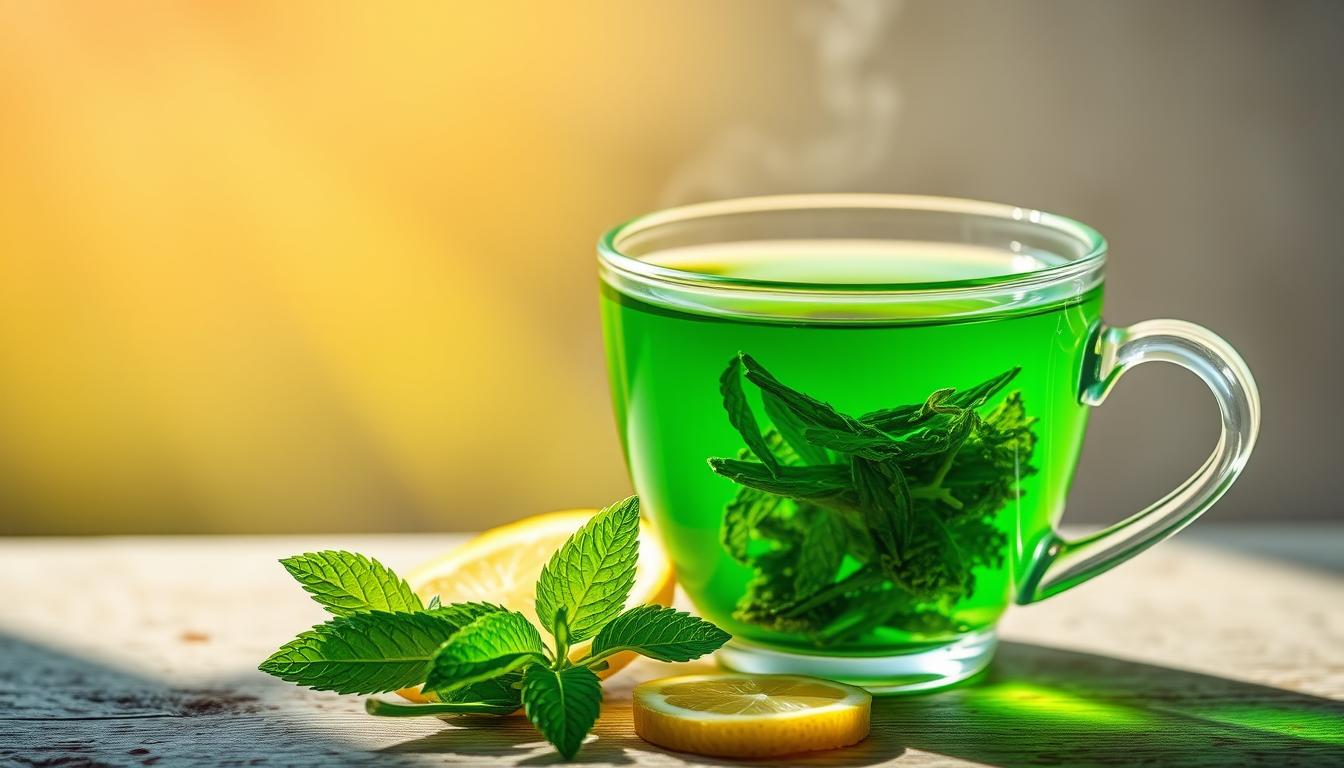
One cup of this brew has about 30 mg of caffeine — roughly one-third of coffee — yet research shows it can still influence heart markers.
We invite you to explore how daily rituals and small swaps may help support healthier cholesterol levels. Recent studies link higher consumption with modest drops in LDL and total cholesterol. A meta-analysis reported the effect may be significant, though results vary by person.
We focus on practical steps: choose quality leaves, brew at the right temperature, and avoid added sweeteners that undo benefits. You’ll learn why catechins matter, how to pair the drink with heart-smart foods, and when to consult a clinician.
For a clear summary of the evidence and tips on the best options, see this helpful guide: best tea to help lower cholesterol. Expect honest guidance: changes take weeks to months, and effects are modest but meaningful when combined with healthy habits.
We translate complex work into clear steps you can try. Controlled trials and observational studies now link key plant compounds to modest shifts in lipid numbers. The evidence is consistent enough to merit attention, yet it is not a magic fix.
Catechins, especially EGCG, show the strongest signals in trials. A 2020 meta-analysis reported that regular green tea consumption lowered LDL and total cholesterol.
Umbrella reviews from 2021 support benefits on cardiovascular risk factors, though effects on HDL are mixed. Small trials in people with diabetes showed reductions when the beverage was taken before meals, but those studies had limits.
Antioxidants in leaves help prevent LDL oxidation, a step tied to plaque formation.
The brew may also reduce intestinal lipid absorption. These two pathways work together to produce modest improvement in cholesterol levels.
“Expect gentle change: results vary by genetics, diet, and habits.”
To read more about HDL context and related evidence, see green tea and HDL cholesterol.
A few mindful steps in how you pick, brew, and time your cup can support better lipid markers. We focus on choices you can keep, not quick fixes.

Pick high-quality loose‑leaf or well‑sourced sachets from cGMP brands. Ask for a Certificate of Analysis so you know the product is tested and clean.
Decaf works if you are caffeine-sensitive—seek CO2-processed options to retain antioxidant content.
To protect catechins, steep at about 160–185°F (70–85°C) for 2–3 minutes. Water that’s too hot makes the cup bitter and breaks down helpful compounds.
Start with 2–3 cups per day. Space them before or between meals to match your rhythm. Swap one daily coffee with this cup to reduce caffeine while keeping a comforting ritual.
Avoid added sugar and heavy creamers—sweetened drinks can undermine your goals. If you want flavor, try a squeeze of citrus or a cinnamon stick instead.
When we match our brew with protein, fiber, and lycopene, we build a simple, heart‑smart routine. These swaps are practical, planet‑friendly, and backed by evidence that supports modest change in lipid numbers.
Swap saturated fat: replace whole‑fat dairy with unsweetened soy milk. Heart UK recommends 2–3 soy servings daily (about 250 mL each).
We like a chilled matcha‑soy latté with no added sugar to combine polyphenols and soy protein.
Boost fiber: choose oat milk labeled for beta‑glucans (~1 g per 250 mL). Beta‑glucans form a gel that binds bile and may reduce cholesterol absorption.
Try a post‑workout tea‑oat smoothie for steady energy and cardiometabolic support.
Processed tomato juice increases lycopene bioavailability. A 2019 study in Japan found unsalted tomato juice improved LDL and lowered blood pressure over a year.
Add a small glass to lunch as an easy, evidence‑based boost.
“Plant‑forward drinks and modest diet shifts add up over months, not days.”
Avoid sugary drinks and cream‑laden beverages. Added sugar links to lipid imbalances and higher blood pressure.
For more on how this drink fits into a heart‑smart plan, see our guide on its role in cholesterol reduction: green tea’s role in cholesterol reduction.
We want you to sip with confidence. Small daily habits can support heart health, but safety matters. One cup of green tea contains about 30 mg of caffeine, and too much caffeine can cause headaches, insomnia, anxiety, or GI upset.
Know your caffeine window. Many people tolerate 2–4 cups a day. Sensitive folks do better with 1–2 cups or decaf. Watch sleep, mood, and stomach comfort and scale back if you notice jitteriness or headaches.
We usually prefer brewed tea to high‑dose supplements. Extracts vary widely and may deliver concentrated compounds that interact with medications.
If you live with high cholesterol, type 2 diabetes, or hypertension, talk with your clinician before adding supplements or changing doses of medicines.
“Tea is a supportive ally—not a stand‑alone cure; pair it with nutrition, activity, and prescribed care.”
Testing and follow-up: the AHA suggests cholesterol checks every 4–6 years for most adults; test more often if your risk is higher. If medications are needed, doctors may prescribe statins when lifestyle shifts alone aren’t enough.
We care about practical steps. If you take blood pressure or diabetes medications, or blood thinners, review all teas and supplements with your team. A registered dietitian can tailor a plan that fits your meds and daily life. For clear clinical context on interactions and safety, see this overview on caffeine and health: caffeine and health effects, and learn more about pressure and medication considerations in this practical review: control blood pressure with mindful sipping.
Start your day with a simple sip that doubles as a small act of heart‑friendly self‑care. We design easy recipes and routines that fit a busy life. Small steps add up across the week.
Morning reset: brew a jasmine‑sencha blend at 175°F for 2 minutes. Add a squeeze of lemon—no added sugar needed.
Afternoon calm: cold‑steep a pouch for 6–8 hours. The sip is smooth and gentler in caffeine than hot cups.
Evening wind‑down: pick decaf with mint. Breathe while it steeps to make a calming ritual.
Smoothie (1 serving):
“Swap one sugary drink a day with a chilled infusion to support LDL and energy.”
| Routine | Time of day | Key benefit |
|---|---|---|
| Jasmine‑sencha reset | Morning | Bright flavor, lower coffee swap |
| Cold infusion | Afternoon | Lower caffeine, refreshing sip |
| Oat‑soy smoothie | Anytime | Fiber boost, nutrition blend |
| Decaf mint | Evening | Calm ritual, supports sleep |
Eco tip: use a reusable infuser and compost spent leaves. Batch brew concentrates on Sunday to simplify the day.
Small, steady choices can shift heart risk over months, not overnight.
We review the evidence and keep the plan simple. One cup of green tea may help when paired with a heart‑smart diet and movement. The best research and meta‑analyses show modest drops in LDL and total cholesterol. See a clear review of trials and pooled results in this clinical meta‑analysis and trials.
Pair brewed cups with oats, unsweetened soy, and unsalted tomato juice to add synergy. If you have high cholesterol or take meds, talk with your clinician and a registered dietitian. Start today, keep it steady, and celebrate small wins—progress matters more than perfection. Learn practical next steps at this guide: does green tea lower cholesterol?


