
Green Tea Contains Catechins: Boost Your Mindful Lifestyle
Learn how green tea contains catechins and nourishes body, mind, and soul. Explore holistic practices, recipes, and sustainable choices.

Learn how green tea contains catechins and nourishes body, mind, and soul. Explore holistic practices, recipes, and sustainable choices.

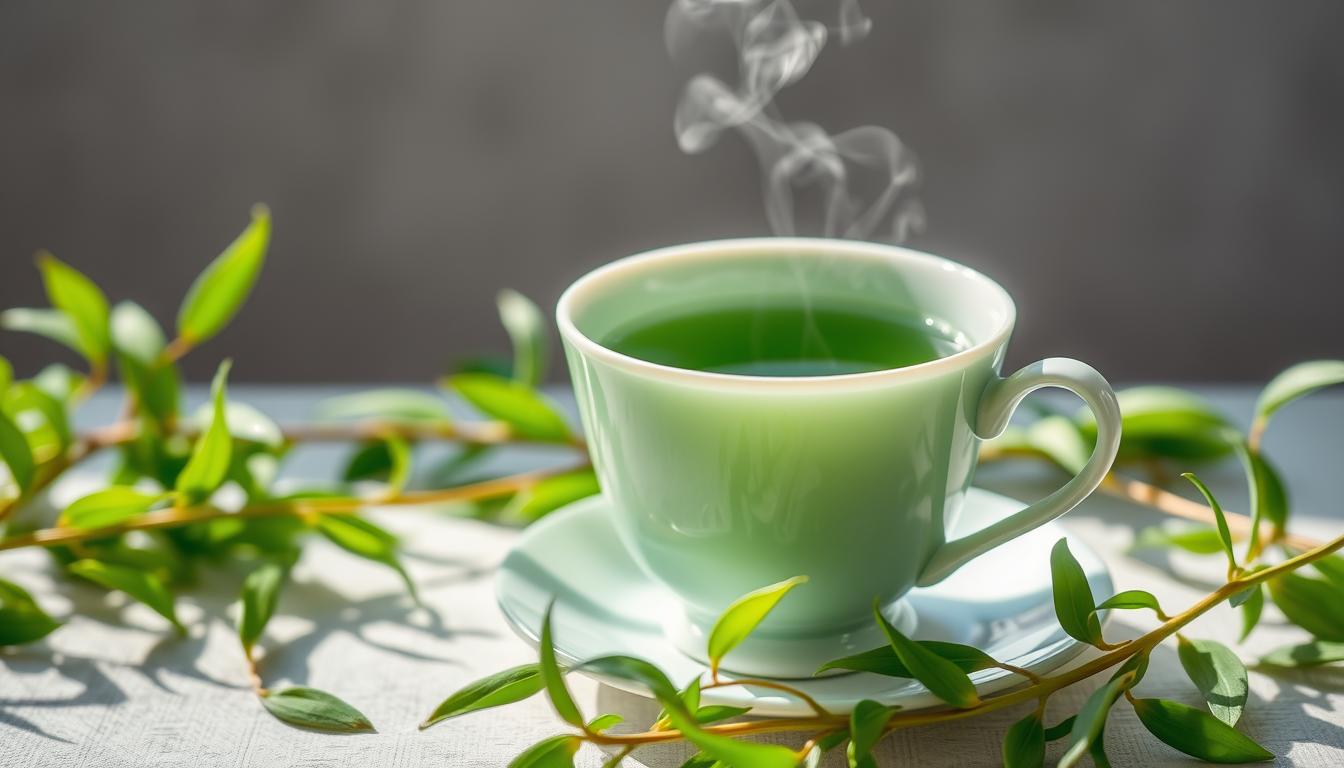
Surprising fact: observational data suggest people who sip about three to five cups daily often report modest health gains and improved focus.
We invite you to pause with us and explore how green tea contains catechins that may support the body and calm the mind. This ritual blends small science with simple pleasure.
In plain terms, polyphenols and antioxidants in a cup can help protect cells and nudge metabolism, mood, and heart-related markers. Effects vary, but consistency matters.
We’ll share practical tips, mindful routines, and sustainable choices that make each brew both delicious and intentional. Start small: a morning cup, an afternoon reset, or a thermos on the commute.
Turn a single cup into an intentional pause that boosts clarity and soothes stress. Small rituals anchor our day. They help focus, reduce tension, and support the body.
Decide your aim: steady focus, calmer stress, or a nourishing pause. Start with 1–3 cups and learn your rhythm. If it suits you, explore up to three to five cups per day while watching caffeine timing.
Whisper a word before the first sip. Pair brewing with one-minute breathwork, a page of journaling, or a short stretch. Cooler infusions can emphasize theanine’s calming qualities when stress is high.
“A small, consistent ritual often brings clearer focus and gentler stress relief.”
| Goal | Timing | Suggested cups | Tip |
|---|---|---|---|
| Focus | Morning, early afternoon | 1–3 | Cooler brew for balance |
| Calm stress | Midday or cool evening | 1–2 | Short breath practice |
| Nourish body | Throughout the day | 2–4 | Watch caffeine sensitivity |
Let’s look closely at the small molecules that shape flavor and function in every brewed cup. We explain what they are and why they matter for health and taste.
Catechins are a family of polyphenols in Camellia sinensis that give the familiar astringency and antioxidant properties. They help protect cells and shape flavor.
Key molecules include EGCG, EGC, ECG, and EC. EGCG often makes up a large share of the profile and draws attention in research for antioxidant and antiviral action.
| Compound | Role | Flavor note |
|---|---|---|
| EGCG | Major antioxidant, antiviral interest | Bright, astringent |
| ECG | Antiviral, gallate-linked activity | Firm, slightly bitter |
| EC / EGC | Supportive antioxidants | Softer, rounded |
Pro tip: Japanese steaming halts oxidation early, preserving higher levels and a fresh, verdant character. For a deeper read on antioxidant science, see our guide at unlocking antioxidant secrets.
Picking the right style can tune how much benefit you get from every cup. We help you match goals to leaf, harvest, and processing so each sip feels intentional.
Matcha uses the whole powdered leaf, so it packs more EGCG per gram. A high-quality serving can deliver roughly 30–40 mg EGCG per gram. For compact potency, this is a top pick.
Sun-grown sencha often concentrates catechin levels and gives a brisk cup. Shaded styles like gyokuro and kabusecha trade some catechins for more theanine and umami. Choose shade if you want less astringency.
Roasting (hojicha) and blending with rice (genmaicha) reduce active levels and soften flavor. Bancha from later harvests is milder and great for evening or beginners.
Extracts and tea extract supplements concentrate active compounds and can be useful short-term. We advise caution: high-dose use has rare links to liver issues. Start with brewed green tea and consult a clinician before regular high-dose extract use.
| Style | Typical levels | Best use |
|---|---|---|
| Matcha | High | Targeted potency |
| Sencha / Gyokuro | Moderate–High | Daily balance |
| Hojicha / Bancha | Low | Evening, gentle cup |
Adjusting heat and steep time lets us tune flavor and functional effects to match a goal. Small changes change what the cup delivers for focus, calm, or steady energy.

Hotter water pulls more catechins and caffeine, producing a brisk, astringent cup. Try ~175–185°F (79–85°C) when you want a stronger effect for deep work.
Water around ~120–140°F (50–60°C) highlights L-theanine and smooths bitterness. This method suits mindful breaks or late-afternoon calm.
Start with about 2 g per 8–10 oz of water. Shorter steeping yields elegance; longer steeps raise intensity and caffeine levels. Record what gives clarity without jitters.
“Set a tiny intention—focus, calm, or creativity—and let your brew match that aim.”
We recommend experimenting and tracking results. For more on how L-theanine shifts the balance, see our L-theanine comparison.
We make a practical, flexible routine so the ritual supports energy, calm, and comfort across the day. Use this as a baseline and adapt to how your body feels.
Start simple: aim for 2–3 cups to learn your response. Some people expand to three to five cups per day if caffeine tolerance allows.
Pairing a cup before a walk or after yoga can enhance mood and metabolic effects. We find gentle exercise plus a mindful sip boosts momentum.
“Consistency beats perfection—small rituals create lasting benefits.”
Let’s match health aims with clear, research-based sipping habits that fit daily life. We translate studies into small, usable steps so people can set realistic goals.
The caffeine + L-theanine pairing often gives steady alertness without the jitters. Short-term studies show improved attention and mood after a cup.
Observational research linked regular drinkers to lower risk of cognitive decline, though large trials are limited. For a concise review of clinical evidence, see this summary.
Meta-analyses report modest effects on resting metabolism and fat oxidation. Think of the cup as a small nudge—best combined with aerobic or resistance exercise.
For practical tips on appetite and metabolic pairing, check our metabolic effects guide.
Regular intake associates with improved blood lipids and modest drops in blood pressure. These shifts may lower cardiovascular risk when paired with healthy habits.
Short-term studies show small fasting glucose benefits. Long-term glycemic markers vary across trials, yet some cohorts of daily drinkers show lower diabetes-related mortality.
“Use brewed cup rituals to support habits — not as a cure. Your overall pattern matters most.”
Practical rules: 1–3 gentle cups for mood and focus; stronger brews before workouts; cooler steeps for evening calm. Use extracts sparingly and consult a clinician if you have hypertension, diabetes, or liver concerns.
| Goal | Simple habit | Expected effect |
|---|---|---|
| Focus & mood | 1 cup mid-morning (moderate brew) | Alertness, calmer focus |
| Weight support | Cup before/after workouts + exercise | Small metabolic boost |
| Heart & pressure | Regular daily cups, paired with diet | Modest lipid and pressure improvements |
| Blood sugar | Consistent intake; monitor levels | Short-term glucose dips; long-term mixed |
We keep guidance compassionate and clear. Track how your body responds and talk with your clinician to align any protocol with your health plan. Stay curious, stay inspired, stay green.
Simple habits—warm sips and a mindful gargle—can be practical allies when exposure risk rises. We turn lab findings into small rituals that fit real life.
What to try: during high-exposure days, rinse your mouth with freshly brewed green tea two to three times daily. Warm brews pull more active compounds and add hydration and comfort.
Trials in patients and community groups show promising signals. For example, inhaled catechin solutions cut MRSA counts more than saline in one trial. School studies link regular drinking to ~37–46% lower flu rates in some cohorts.
How it may work: these molecules can block viral docking, slow replication inside cells, and hinder viral release. Together, those effects may reduce infection risk or severity.
Practical routine: morning cup, midday gargle, and an afternoon cup brewed a bit hotter to nudge extraction. Use brewed tea before trying concentrated extract or tea extract products, and consult a clinician if you are a patient with chronic disease.
Pair this ritual with sleep, hand hygiene, movement, and fresh air. Small, consistent steps help build real resilience. For related heart and lipid context, see our piece on green tea and HDL cholesterol.
Before you pour, let’s set a safety plan so the ritual supports wellbeing, not side effects.
Sensitivity and sleep: start low and watch timing. Caffeine affects people differently. If sleep shifts, move your last cup earlier or choose a cooler, gentler brew.
Practical tip: try one week with no late cups and note sleep, mood, and focus. That helps you find a steady dose that works.
Hotter water and longer steeps pull more caffeine and active compounds, which can be stimulating late in the day. For many, 2–4 cups spread earlier gives benefits without sleep disruption.
We recommend tracking sleep for two weeks when you change dose. Adjust gently and rotate stronger cups with lighter ones.
Concentrated extracts are potent and may stress the liver in rare cases. Reports link high-dose supplements to liver effects, so prioritize brewed cups first.
Use extracts only when needed: set clear goals, choose quality brands, and pause supplements if you notice unusual fatigue, stomach pain, or jaundice.
People who are pregnant, taking meds, or who manage heart, liver, or blood pressure issues should personalize intake. Interactions can change drug levels or blood pressure control.
We urge anyone in those groups to consult a clinician. For clinical context on safety and dosing, see this clinical review.
“A ‘less but better’ approach—quality leaves, mindful timing—often delivers the effect you want without overdoing it.”
| Concern | Action | Why it helps |
|---|---|---|
| Caffeine sensitivity | Move last cup earlier; cooler steeps | Reduces sleep disruption and jitters |
| High-dose extract | Prefer brewed tea; limit supplements; monitor symptoms | Lowers rare liver risk and ensures slower dosing |
| Medications / pregnancy | Check with clinician; choose gentler brews | Avoids interactions and supports fetal health |
We care for your wellbeing with clear, compassionate guidance so your ritual is sustainable. Stay curious, stay inspired, stay green.
Small daily choices in sourcing and gear can turn a personal ritual into a planet-friendly practice.
We celebrate farms that use organic methods and fair pay. Choosing high-quality leaves from conscientious producers supports soil and workers. That respect shows up in flavor and in how the cup makes your body feel.
Make swaps that matter. Buy bulk or compostable bags. Bring a stainless tumbler or a glass infuser bottle. Whole leaves often give better taste and value, reducing single-use bottled options.
“A greener ritual can feel grounding, purposeful, and deeply satisfying.”
| Choice | Why it helps | Practical tip |
|---|---|---|
| Organic leaves | Better soil health and biodiversity | Buy from small farms or co-ops |
| Reusable gear | Less single-use waste | Carry a stainless tumbler |
| Storage | Preserves content and reduces waste | Airtight tins away from heat and light |
When habit meets intention, the smallest rituals can shift risk and resilience. A daily green tea ritual blends flavor, simple science, and sustainable choices.
Evidence shows encouraging signals for cognition and mood, small metabolic shifts, and improved heart markers. Long-term outcomes for cancer and diabetes remain mixed, so we stay curious and cautious.
What matters: align intake with your goals and tolerance. For many, three to five cups daily is a practical range, tuned by timing and brewing to shape effects green tea offers for focus or calm.
Listen to your body, mind interactions with medications, and track changes in blood markers if needed. Share recipes, eco tips, and stories with us—together we make better habits stick.
Start today with one mindful cup. Small, consistent acts build health, reduce risk, and grow a kinder routine for you and the planet.


