
Best Green Tea for Fasting: Our Top Picks & Benefits
Discover our top picks for the best green tea for fasting. Learn about the benefits and how to incorporate green tea into your fasting routine for a healthier you.

Discover our top picks for the best green tea for fasting. Learn about the benefits and how to incorporate green tea into your fasting routine for a healthier you.

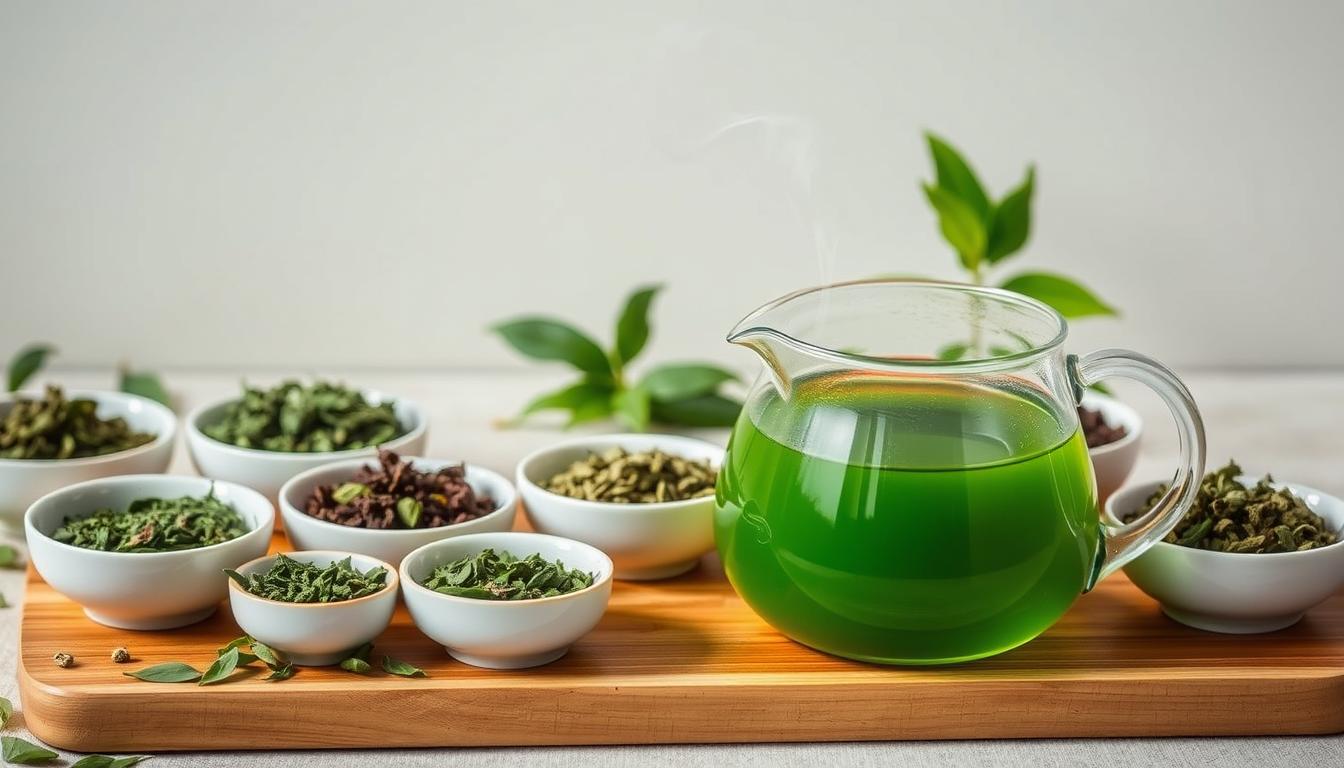
Did you know studies show that simple sipping rituals can improve focus and slightly boost fat oxidation during a 16/8 intermittent window?
We write as helpers and curious explorers. We blend science with everyday rituals to guide you toward mindful sipping and sustained energy.
Here, a clean, unsweetened brew that preserves catechins and keeps calories near zero is our starting point.
In this article we set clear expectations. You’ll get a practical review of powders, loose leaf, bagged options, and cold-brew tips that protect EGCG and flavor.
Our approach balances research, sourcing criteria, and simple brewing steps so you can pick an option that fits your lifestyle and values.
We also include mindful rituals to make intermittent practice easier and more enjoyable. Want a deeper guide? Check our linked primer on sipping during fasting: intermittent fasting and tea tips.
We often turn to small rituals to steady hunger and sharpen focus during a fasting window. A simple cup can support hormones and help the body adapt to longer gaps between meals.
Lower insulin exposure is one key benefit of spacing meals. More time between meals increases fat-burning windows and can aid weight control for many people.
“Spacing meals helps the body shift fuel sources, improving metabolic flexibility over time.”
Catechins—notably EGCG—may blunt hunger signals and reduce ghrelin activity. That makes an unsweetened warm cup a useful aid during early fasting days.
| Timing | Hormone effect | Suggested sip | Why it helps |
|---|---|---|---|
| Morning, pre-workout | Lower insulin spike | Light brew | Steady energy without calories |
| Midfast (midday) | Reduced ghrelin | Warm cup | Calms hunger and supports focus |
| Evening (early) | Support metabolic rhythm | Decaf option | Grounding ritual, less sleep disruption |
Research links certain brewed rituals to mild boosts in daily energy and fat use. We translate science into clear, usable steps so you can test what fits your routine.
Studies show regular cups can raise 24-hour energy expenditure by nearly 5%. That modest uptick helps the body favor fat oxidation during a fast and supports steady weight loss progress over time.
Caffeine paired with L-theanine in a cup often delivers smoother alertness than coffee. Many people report fewer jitters and clearer focus during intermittent fasting.
Catechins may support autophagy and cellular cleanup as the body adapts to longer fasts. Antioxidants also help lower oxidative stress, which links to less inflammation and better recovery.
“Small daily habits compound. A mindful sip can aid focus and metabolic rhythm.”
Bottom line: This beverage is a supportive tool, not a cure-all. Use it alongside good sleep, hydration, and balanced eating for the best effect on metabolism and fasting goals.
We pick criteria that blend science and simple ritual so you can choose with confidence.
Caffeine content by form: Brewed cups usually have ~20–60 mg per 8 oz. Matcha runs higher, about 60–70 mg per teaspoon. Decaf keeps trace amounts; CO2 decaffeination best preserves polyphenols.
Seek short ingredient lists: only the tea or tea leaves. Zero added sugar, no milk or flavorings. That keeps your fasting window intact and preserves the health benefits of the leaf.
Look for organic seals, harvest notes, and single-origin details. Brands that explain their process and decaf method earn extra trust. Fair sourcing and eco packaging matter too.
Learn whether green tea breaks a to pair these criteria with timing and personal goals.
We curate a short list of clean, high-quality cups that pair well with intermittent routines. These choices focus on clear labels, low sugar, and mindful sourcing to make sipping simple and sustainable.
Bigelow Classic delivers steady flavor in foil-sealed packets. Rishi Sencha uses organic Japanese tea leaves and asks for 160°F water and a two-minute steep.
Vahdam Himalayan brings sweet, vegetal notes and a transparent supply chain. Kusmi Ginger Lemon offers bright flavor in refillable tins to cut waste.
Kyoto Dew (ceremonial) is smooth for whisked bowls. Jade Leaf (culinary) works well when you plan recipes outside your fasting window.
Pique Jasmine packets mix in hot or cold water. Ito En Oi Ocha is an unsweetened bottled option with minimal ingredients. For evenings, Republic of Tea’s CO2-decaf keeps caffeine very low.
| Type | Temp / Time | Caffeine cue |
|---|---|---|
| Bagged (Rishi / Bigelow) | 160°F, 2 min | Low–moderate |
| Loose-leaf (Vahdam / Kusmi) | 175°F, 1.5–2 min | Moderate |
| Matcha (Kyoto / Jade Leaf) | Whisk ½–1 tsp | Higher per cup |
Tip: Pick a daily workhorse and a weekend treat. That keeps ritual fresh and supports your health goals during intermittent fasting.
Choosing powdered matcha or a steeped cup changes both ritual and results. We help you pick the path that fits your rhythm and goals during intermittent fasting.
Matcha suspends whole leaf powder, so a single scoop delivers more polyphenols and catechins per serving. That richer mouthfeel can curb hunger and extend satiety through a fasting window.
By contrast, brewed cups extract compounds more mildly. Typical brewed cups land around 20–60 mg caffeine per 8 oz, giving a gentler, steadier lift than coffee. Both matcha and brewed options contain L-theanine, which softens stimulation into calm focus.
Bottom line: Matcha green tea brings potency and ritual. Brewed green tea offers ease and steady energy. Test both and follow the one that keeps your body calm and your fasting practice joyful.
Start your day with a calm ritual that primes focus and steady energy. A single morning cup can replace a coffee habit with gentler stimulation. If you switch, begin with a lighter brew and notice how your levels shift.

Morning: Have one cup to set intent and steady alertness. Keep it unsweetened to protect your fasting window.
Pre-workout: Sip roughly 45–60 minutes before exercise. That timing often aligns peak caffeine with activity and can support performance.
Between meals: Use a warm mid-fast cup to calm hunger and sharpen focus. Avoid drinking with a meal to reduce interference with iron absorption.
Many people find around three cups per day feels balanced. Adjust based on sleep, stress, and sensitivity.
Consumption pacing matters: slow, mindful sips help you read energy and satiety cues. Alternate cups with water on training or busy days to stay hydrated.
If caffeine affects your sleep, switch to lower-caffeine varieties or decaf after midday. If you rely on coffee, try swapping one coffee for a cup and taper slowly so your body adapts.
| Timing | Suggested cup | Why it helps |
|---|---|---|
| Morning | Light brewed cup | Gentle alertness and ritual |
| 45–60 min pre-workout | Moderate brew | Aligns caffeine peak with performance |
| Midfast (between meals) | Warm unsweetened cup | Curbs hunger and aids focus |
| Afternoon / evening | Low-caffeine or decaf | Protects sleep and stress levels |
Want more on whether to sip during your window? Read our detailed guide about drinking during intermittent windows on tea and fasting.
A controlled brew unlocks aroma, smoothness, and the subtle compounds that support a mindful fast.
Water temperature matters. For sencha aim about 160–175°F and steep 2–3 minutes to reduce bitterness. Hotter water pulls more tannins quickly. Set a timer and taste at the low end.
Oversteeping extracts excess tannins and ruins a cup. Use less leaf or shorten time if it turns sharp. Bagged options are convenient; loose leaf gives control and richer complexity.
Cold brew is simple. Use one teaspoon of tea leaves per 8 ounces of water. Steep in the fridge 8–12 hours. Cooler extraction can preserve delicate antioxidants and yield a smoother cup.
| Form | Temp / Time | Why it helps |
|---|---|---|
| Bagged | 170°F, 2 min | Convenience, steady results |
| Loose leaf | 160–175°F, 2–3 min | Control, better flavor |
| Matcha | Whisk with 160°F water | Full-leaf compounds, richer mouthfeel |
Troubleshooting is easy: weak brews need more leaves or longer time. Cloudy cups often mean tiny particles—use a finer strainer. Make a small batch the night before so chilled, antioxidant-rich cups are ready for work or workouts.
Want deeper context on benefits during a fast? Read our guide on green tea benefits during fasting.
We believe your daily cup should nourish both body and community. Choosing responsibly ties a simple ritual to wider impact. Small decisions at purchase time shape soil health, farmer livelihoods, and packaging waste.
Organic cultivation supports soil and reduces synthetic inputs. That helps long-term quality and the health benefits you expect from each cup.
Look for brands that publish sourcing notes and give back. Vahdam, for example, is carbon- and plastic-neutral and funds farmer programs. These processes matter when you want impact alongside flavor.
Choose loose leaf or refillable tins to cut single-use trash. Kusmi’s refillable tins are one practical option that trims waste while protecting freshness.
We recommend a small home tea station: jars, scoops, and refillable infusers. It reduces trash and makes daily brewing a mindful part of your lifestyle.
Bottom line: Choose teas that taste great and do good. Sustainable sourcing is part of the health equation—what’s good for the earth is good for you, and that helps support fasting and intermittent fasting goals without sacrificing ritual or flavor.
Not every cup suits every body — knowing risks helps you personalize intake. We care for your well‑being first and want you to listen to signals from your body while practicing intermittent fasting.
Quick overview: brewed beverages are generally safe. Concentrated extracts, like pills and liquid shots, have been linked to GI upset, higher blood pressure, and rare liver issues. If you manage a disease or take medications, check with your clinician about timing and amount.
Assess your caffeine tolerance before increasing consumption. If you are sensitive, keep amounts modest and avoid evening cups to protect sleep. Swap one coffee for a milder brew and notice changes.
Some people feel nausea on an empty stomach. Try lighter brews, shorter steeps, or Hojicha, which has about 7.7 mg caffeine and can be gentler at night.
Choose beverage forms over extracts. Concentrated supplements do not mimic the safe dose you get from a cup. Extracts have been associated with stronger side effects and may undermine the mindful aspect of your routine.
| Risk | Signs | Practical swap |
|---|---|---|
| High caffeine intake | Jitters, racing heart | Hojicha or CO2‑decaf |
| GI sensitivity | Nausea on empty stomach | Shorter steep, lighter cup |
| Supplement extracts | GI upset, BP changes, liver risk | Plain brewed beverage |
“Safety and self‑awareness deepen the health benefits you seek from your routine.”
A simple daily cup can steady your day and sharpen the small habits that shape lasting health. We believe a mindful beverage ritual makes intermittent fasting easier, calmer, and more sustainable.
The core health benefits are clear: steady energy, appetite support, and antioxidant care that may aid weight loss over time. Choose clean, unsweetened options and try cold brew or CO2‑decaf to protect polyphenols.
Use a light morning cup and a soothing evening decaf if needed. Swap one coffee for this habit, sip water between cups, and experiment with temps and ratios to find what fits.
Discover more practical tips and evidence on green tea benefits during intermittent fasting. Share your recipes and rituals with our community—here’s to small rituals, big shifts, and gratitude.


