
Unlock Brain Health Green Tea Benefits for Mental Clarity
Unlock the brain health green tea benefits with our in-depth guide, packed with expert advice on achieving mental clarity and a balanced lifestyle.

Unlock the brain health green tea benefits with our in-depth guide, packed with expert advice on achieving mental clarity and a balanced lifestyle.

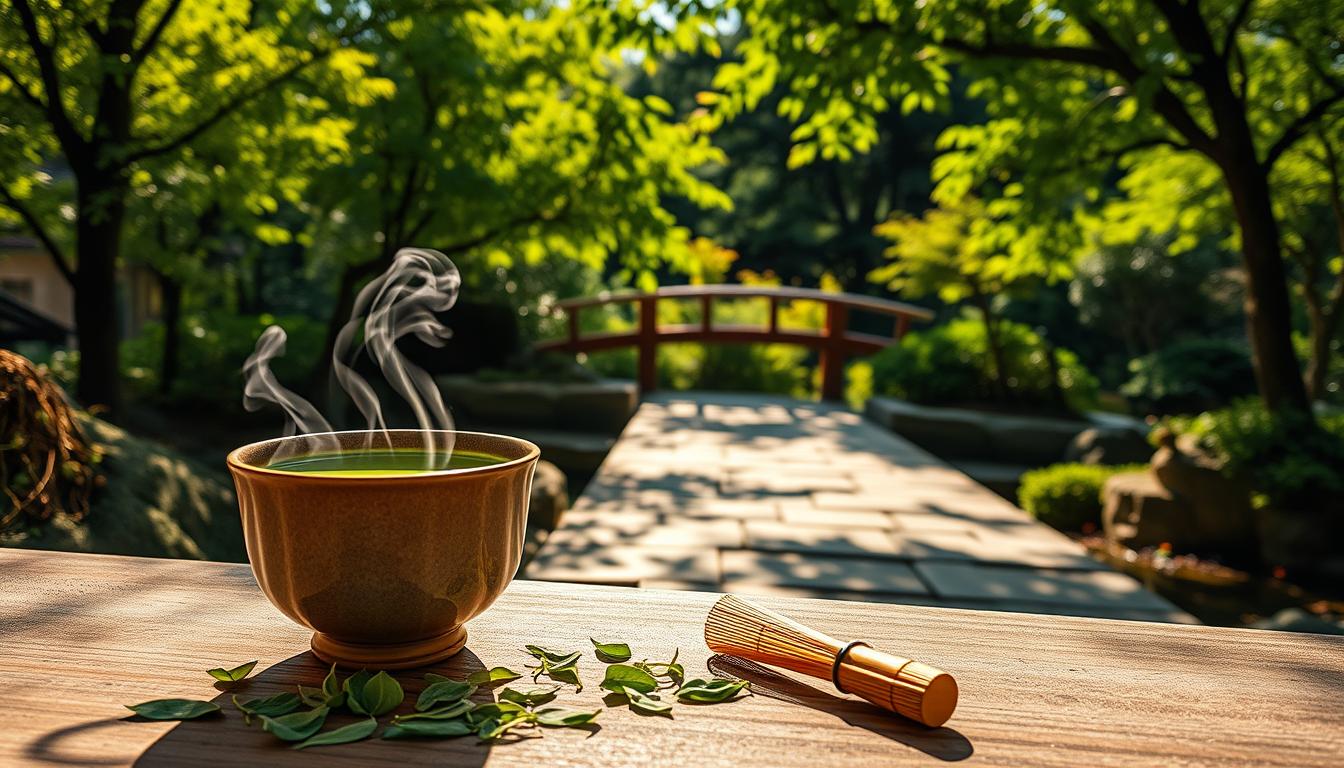
Did you know a 2020 study linked regular green tea drinkers to a 64% lower chance of cognitive decline in middle-aged and older adults.
We believe simple daily rituals can make a big difference. A few cups of green tea each day blend flavor, calm, and focus. That mix of caffeine and L-theanine often supports mood and mental sharpness.
In this short guide we’ll explain the key research, clear up common myths, and share easy ways to enjoy tea that fit busy lives. We will highlight antioxidants like EGCG and how they may help reduce oxidative stress.
We’ll show what recent studies mean in practical terms—how many cups are typical, when to choose decaf, and which habits protect sleep and well‑being.
One mindful cup can be a gateway to clearer focus and calmer days. We explain why people turn to green tea when seeking natural ways to support cognitive function. Our goal is to give clear, practical guidance you can try now.
We clarify your intent: you want science-informed ways to sharpen focus without the jitters. You’ll learn how tea and its combo of L-theanine plus caffeine can aid attention and mood. We also cover antioxidants and how daily rituals shape long-term effects.
What to expect: summaries of key studies, simple dosing advice, brewing tips, and sustainability steps. Current evidence is promising but not definitive. Typical helpful ranges are about three to five cups per day, while very high intake (≥13 cups/day across all tea types) showed mixed risk in one study.
We’ll help you personalize green tea consumption if you’re sensitive to stimulants. Practical takeaways include when to choose decaf, how to time cups for sleep, and small sustainability swaps to shop more responsibly.
Join us as we move from research to routine. You’ll leave this guide with a short plan to test, adjust, and make mindful drinking part of a balanced, eco-friendly lifestyle.
Short-term lab findings and long-term population data together sketch how tea can support clarity and calm.
Controlled studies show that caffeine sharpens attention while L-theanine eases overstimulation. People often feel clearer within 30–60 minutes.
Polyphenols like EGCG add an antioxidant layer that may reduce oxidative stress over time. This combo can shape mood and quick task switching in everyday life.
Large observational work is encouraging. One 2020 study linked regular green tea use to a 64% lower chance of cognitive impairment in midlife and older adults.
We are careful: such studies show associations, not proof. A 2023 analysis found very high intake (≥13 cups/day of all types) may raise Alzheimer’s risk, so dose matters.
| Finding | What it implies | Actionable tip |
|---|---|---|
| 30–60 min alertness | Caffeine + L-theanine synergy | Enjoy one cup before a focused task |
| 64% lower impairment odds (2020) | Positive observational signal | Try 2–4 cups daily, track mood and focus |
| Risk at ≥13 cups/day (2023) | Possible harm at extreme intake | Avoid megadosing; balance with sleep |
| EGCG and polyphenols | Antioxidant, anti-inflammatory roles | Choose quality leaves and right steeping |
Catechins in a daily cup act like a small shield for cells, quietly reducing strain from reactive oxygen. EGCG, an abundant gallate catechin, is the star molecule researchers study for free‑radical scavenging and anti‑inflammatory properties.
EGCG neutralizes reactive molecules and can reduce signals that trigger inflammation. Lab studies report lower markers of cell injury and shifts in proteins tied to apoptosis, such as BAX.
Superoxide dismutase (SOD) and glutathione peroxidase (GPx) act as cleanup proteins. Higher SOD and GPx mean better removal of reactive oxygen species.
Malondialdehyde (MDA) flags lipid damage. Lower MDA in cohort studies of regular consumers suggests less oxidative stress over time.
Sustained antioxidant support may help preserve synaptic function. That underlies attention, working memory, and executive function you notice day to day.
Practical step: moderate, mindful cups and correct steeping maximize catechin levels and their effect green tea delivers.
| Marker | Direction with regular consumption | Practical note |
|---|---|---|
| SOD | Increase | Linked to improved ROS clearance |
| GPx | Increase | Supports glutathione cycle and cell defense |
| MDA | Decrease | Lower lipid peroxidation signal |
| EGCG actions | Antioxidant & anti‑inflammatory | Affected by leaf quality and steeping |
We compare test performance and biomarker signals to see what they tell us about real-world effects.
Human assessments in a cohort of 264 adults (50–70 years) showed clear signals. Tea consumers scored higher on MoCA and HVLT for immediate and delayed recall. They were faster on TMT-B and VST interference tasks, pointing to better memory and executive function.
We translate those tests into plain English:
Biomarkers added depth. Tea consumers had lower serum pTau181, Aβ42, and total Aβ. Aβ40 and the Aβ42/40 ratio showed no change. Medium and high intake groups drove most differences, suggesting an intake-related trend.
We read these findings as promising but not conclusive. The design is cross-sectional, so causality is not proven. Larger longitudinal studies must confirm the pattern.
| Measure | Finding | Practical takeaway |
|---|---|---|
| MoCA / HVLT | Higher scores in tea consumers | Try moderate, regular green tea consumption and track recall on busy days |
| TMT-B / VST | Faster completion times | Time a cup before tasks needing focus and flexible thinking |
| pTau181, Aβ42, total Aβ | Lower serum levels in consumers | View as upstream signals; pair cups with sleep and exercise |
Our bottom line: green tea could meaningfully support cognitive function for many people when used consistently and alongside sleep, movement, and mental challenge. Personalize timing and dose to suit your routine and sensitivity.
A recent biomarker snapshot gives us a clearer look at how everyday tea patterns may link to Alzheimer disease biology.
The amyloid cascade centers on Aβ40 and Aβ42 deposition, while abnormal tau phosphorylation (pTau181) marks tangle formation. In simple terms, higher Aβ42 and pTau181 in the blood often raise concern about future decline.
In a hospital-based cohort, green tea consumption correlated with lower serum pTau181, lower Aβ42, and lower total Aβ. There was no clear change in Aβ40 or the Aβ42/40 ratio.
Laboratory research finds egcg and gallate catechins can reduce oxidative stress and limit protein aggregation. These actions may support neuronal survival pathways and slow protein misfolding linked to disease.
Key takeaways:
| Marker | Observed change | Practical note |
|---|---|---|
| pTau181 | Decrease in consumers | May reflect reduced tau pathology risk signals |
| Aβ42 | Decrease in consumers | Matches anti-aggregation lab findings |
| Aβ40 / Aβ42:40 | No change | Interpret with caution; ratio can be stable |
| EGCG / catechins | Laboratory effects | Quality, steeping, and dose shape exposure |
Risk is multifactorial—genetics, sleep, vascular status, and stress matter too. We encourage folks tracking memory or biomarkers to discuss findings with clinicians. For practical guidance on daily patterns and memory, see our piece on memory enhancement.
Simple chemistry in a cup—L-theanine, modest caffeine, and EGCG—helps explain why many people feel calmer and more focused after a drink. We break down each component so you can use it with intent.
L-theanine promotes relaxed alertness by shifting brainwaves toward alpha patterns. Many people report a steady, less anxious focus within 30–60 minutes.
“A cup plus two minutes of breathwork often smooths stress and sharpens attention.”
Caffeine in tea delivers gentler peaks than coffee. Paired with theanine, it supports attention and task switching without strong jittery spikes.
Timing tip: sip a cup 30–60 minutes before demanding work; choose a lighter steep later in the day or decaf if you are sensitive.
EGCG and gallate catechin action add cell-level support. Animal data and reviews link catechin exposure to reduced oxidative markers and improved long-term potentiation.
Finding the right daily intake lets you get steady focus without overdoing it.
Many studies point to about three to five cups (24–40 oz) per day as a practical range for most adults in the United States. Years of steady consumption appear linked to stronger signals on cognition and antioxidant markers in cohort analyses.
Start small. Try one to two cups and build to three to five while tracking sleep, stress, and energy.
Long-term patterns matter. Medium and high intake groups in several studies showed clearer effects on memory tests and blood markers than short-term users.
Extracts deliver higher EGCG per dose. That can help metabolism or weight goals when paired with exercise, but extracts lack the whole-leaf matrix.
If you try extracts: choose third-party tested products, take them with food, and avoid doubling up with high-catechin cups the same day.
Practical tips we recommend:
| Topic | Practical guidance | Why it matters |
|---|---|---|
| Daily range | 3–5 cups (24–40 oz) | Matches cohort signals and keeps caffeine moderate |
| Build-up | Start 1–2 cups, add slowly | Detects sleep or stress sensitivity |
| Extracts | Use tested products; take with food | Higher EGCG, needs caution for liver and overlap |
| Hydration | Alternate with water; include minerals | Supports circulation and overall function |
We empower you with practical, sustainable steps that fit U.S. routines. Personalize consumption and check with your clinician if you track biomarkers or take medications.
Not all teas are made the same; the way leaves are handled alters taste and active molecules. Processing decides which compounds stay and which transform.

Green tea is minimally oxidized. That preservation keeps higher catechin levels and many native polyphenols.
Black tea is fully fermented. Oxidation converts catechins into theaflavins and thearubigins, changing both flavor and properties.
For a brain-first goal, green tea’s catechins may offer stronger antioxidant support. Still, black tea supplies useful compounds and a comforting cup for many people. Evidence from cohort work and at least one key study links regular tea habits with cognitive signals, but dose and years of use matter most.
| Processing | Major compounds | When to choose |
|---|---|---|
| Minimal oxidation | High catechins | Focus days, antioxidant support |
| Full fermentation | Theaflavins, thearubigins | Comfort, steady alertness |
| Brewing | Temp & steep time | Adjust to maximize taste and levels |
“If a cup helps you feel steady and clear, you’re on the right track.”
We recommend choosing organic, sustainable options in recyclable packaging when possible. Rotate varieties seasonally to keep rituals fresh and nutrient-diverse.
Daily sipping paired with breathwork may shift how we handle pressure and focus. We nurture mood and resilience with small, science-grounded rituals you can do anywhere.
Preclinical reviews report that polyphenols and gallate catechins show antidepressant and anxiolytic actions in animal models.
Human studies are fewer and mixed. Observational work links regular tea intake with better mood markers, but causation is not proven. For summaries of clinical findings, see an evidence-based review.
Inflammation and oxidative stress affect neurotransmitters and executive function. Antioxidants may help by lowering inflammatory signals and supporting protein balance in blood.
Practical tips:
| Mechanism | Observed signal | Action |
|---|---|---|
| Oxidative stress | Lower markers in some studies | Regular, moderate intake and movement |
| Inflammation | Reduced cytokine activity in models | Combine cups with sleep and social support |
| Stress response | Calmer mood and reduced anxiety-like behavior | Use mindful sipping + breathwork |
We recommend gentle consistency. For those with mood conditions, use cups as a complement to clinical care and discuss changes with your provider. Sustainable sourcing keeps personal resilience aligned with planetary care.
Small shifts in daily habits can add up to real metabolic and vascular gains. We guide you toward realistic, sustainable progress—no quick fixes, just steady steps that support both body and mind.
Reviews show green tea may modestly boost fat metabolism, especially with exercise. Effects on weight alone are small. That means tea helps, but it won’t replace a solid workout plan.
Practical pairing: sip a cup with a protein-rich meal and a short post-meal walk to stack small wins for fat loss and appetite control.
Some studies link regular tea consumption to better blood pressure and lipid profiles. These signals matter because better vascular markers reduce vascular risk that can speed cognitive decline.
Evidence on glucose is mixed. Short-term drops in fasting blood sugar appear in studies, but long-term insulin changes are inconsistent. Track your own numbers and discuss supplements or tea extract with your clinician.
Our bottom line: daily tea or green tea consumption can be a supportive habit. Pair it with sleep, movement, and nourishing food to create meaningful, long-term change.
A mindful pour and a short steep can shape how a cup supports focus and calm.
We aim for simple steps you can repeat each day. Brewing choices affect levels of EGCG and other gallate catechins. They also change caffeine and flavor.
Aim for 160–185°F and 1–3 minute steeps to preserve catechins while avoiding bitterness.
Higher-quality loose-leaf often gives steadier polyphenol levels. Choose vendors with third-party testing for purity and consistent results.
To boost EGCG, try a slightly longer second infusion or start with matcha in small amounts. Track how each type and brew affects your focus and stomach comfort.
Pick water-processed decaf for evening cups to keep polyphenols without sleep disruption.
If you use an extract or tea extract powder, treat it like a supplement: verify testing, dose carefully, and avoid stacking with high-catechin brews.
Timing tip: drink one cup 30–60 minutes before demanding work and alternate with water to support overall function.
| Goal | Method | Why it matters |
|---|---|---|
| Max catechins | 160–185°F, 1–3 min | Preserves flavor and antioxidant levels |
| Gentle EGCG increase | Longer second steep or small matcha | Raises polyphenol exposure without excess caffeine |
| Evening calm | Water-processed decaf, shorter steep | Keeps polyphenols, protects sleep |
| Supplement caution | Use tested extract; avoid stacking | Prevents excess dose and interactions |
Small culinary tweaks help you get more catechins and more enjoyment from each sip. We offer two fast recipes that lift flavor and function without extra sugar or fuss.
Whisk 1 tsp matcha with a splash of hot water. Stir in 8 oz unsweetened plant milk and a teaspoon of MCT oil or almond butter.
Why it works: matcha concentrates catechins and gallate compounds, so one cup can raise antioxidant levels and sustain focus. Scale the matcha to match your caffeine sensitivity.
Brew a light cup, chill, then add fresh mint and a curl of orange peel. A pinch of cinnamon or salt rounds flavor and aids hydration.
Use filtered water and organic ingredients when possible. Prep takes about five minutes and needs just one kettle and reusable tools.
“Slow down, breathe, and let a mindful cup anchor your work and rest.”
Understanding risks and interactions helps you enjoy tea with confidence. We care for your safety and want your habit to feel supportive, not stressful.
Most adults do well with three to five cups daily. Very high intake (≥13 cups/day in one study) showed a possible increased risk for disease markers, so avoid extremes.
Concentrated products such as green tea extract or a tea extract powder raise catechin and EGCG exposure. That can stress the liver in susceptible people.
Coordinate with your clinician if you take anticoagulants, stimulants, or drugs processed by the liver. Bring product labels when you talk with them.
If you are pregnant, breastfeeding, or managing chronic conditions, ask before using high-dose extracts. Watch for unusual fatigue, abdominal pain, or changes in blood markers.
Caffeine affects people differently. If you notice palpitations, sleep loss, or extra stress, choose decaf, shorter steeps, or earlier timing.
Pair cups with water and mineral-rich foods to support hydration and electrolyte levels. Keep a simple log of servings, sleep, mood, and any side effects.
| Concern | Action | Why |
|---|---|---|
| High intake or extract stacking | Limit servings; avoid same-day high-dose extract | Reduces liver and metabolic load |
| Medication overlap | Consult clinician; bring labels | Prevents interactions and altered drug levels |
| Caffeine sensitivity | Use decaf or earlier cups | Protects sleep and reduces anxiety |
“When in doubt, slow down: a sustainable tea habit should feel supportive, not stressful.”
Picking the right product starts with questions about origin, testing, and packaging. We want your ritual to feel nourishing and responsible.
Choose organic green tea from regions known for rigorous farming. Organic farming lowers pesticide risk and honors soil health.
Look for third-party certificates or a lab COA. Independent testing proves purity and shows gallate and polyphenol levels.
Prefer loose-leaf or plastic-free, unbleached bags you can compost. Bulk refills cut waste and cost.
Support brands that pay growers fairly. Fair sourcing often links to better leaf quality and transparency about harvest season.
| Criterion | What to look for | Why it matters |
|---|---|---|
| Purity | Third-party COA, USDA Organic | Reduces contaminants and ensures consistent levels of active compounds |
| Packaging | Loose-leaf, compostable bags, refill options | Less waste and fresher flavor over time |
| Sourcing | Origin, harvest season, fair pay | Better quality leaves and fair conditions for people who grow them |
| Product form | Whole leaf vs extract; look for tested extracts | Whole leaf offers steady properties; extracts concentrate active compounds and need caution |
Our tip: read labels for origin and storage guidance, and rotate with responsibly sourced black tea to vary flavor and function. Share good finds with our community—your choices shape a greener future.
Small daily rituals help turn promising science into simple, repeatable habits. We design a pattern that fits real lives and supports steady focus without overwhelm.
Simple daily rhythm: a morning focus cup, an afternoon reset, and an evening decaf if you want calm before bed. Start with one cup and add slowly as you notice clearer thinking and steadier energy.
Why it works: moderate consumption shows an association with better cognitive function and lower oxidative stress in cohort data. The mix of caffeine, L-theanine, and gallate catechins suggests steady patterns may amplify effects over time.
Join our community: share small wins and stories so other people can learn. Stay curious, stay inspired, stay green.
green tea consumption can complement sleep, nutrition, and movement for greater cumulative gains. Revisit doses seasonally and adjust around life changes to keep the ritual supportive.
Let your next cup be a test: notice mood, timing, and sleep as you go. , We invite curiosity and small experiments with mindful, eco-friendly routines.
What we know: multiple studies link regular consumption with better cognitive scores and favorable oxidative-stress and Alzheimer‑related biomarker levels. See a key study for the cohort data here.
Moderation matters. For most adults, three to five cups daily matches observed signals while avoiding extreme intake. Pair cups with sleep, movement, and simple stress care to amplify function.
Keep exploring with us—one mindful, eco-friendly cup at a time. Learn more in our guide and share what you discover.


