
Cups of Green Tea: Unlocking Wellness and Sustainability
Discover the benefits of green tea and learn how what is cups of green tea can enhance your wellness routine with our expert guides and tips.

Discover the benefits of green tea and learn how what is cups of green tea can enhance your wellness routine with our expert guides and tips.

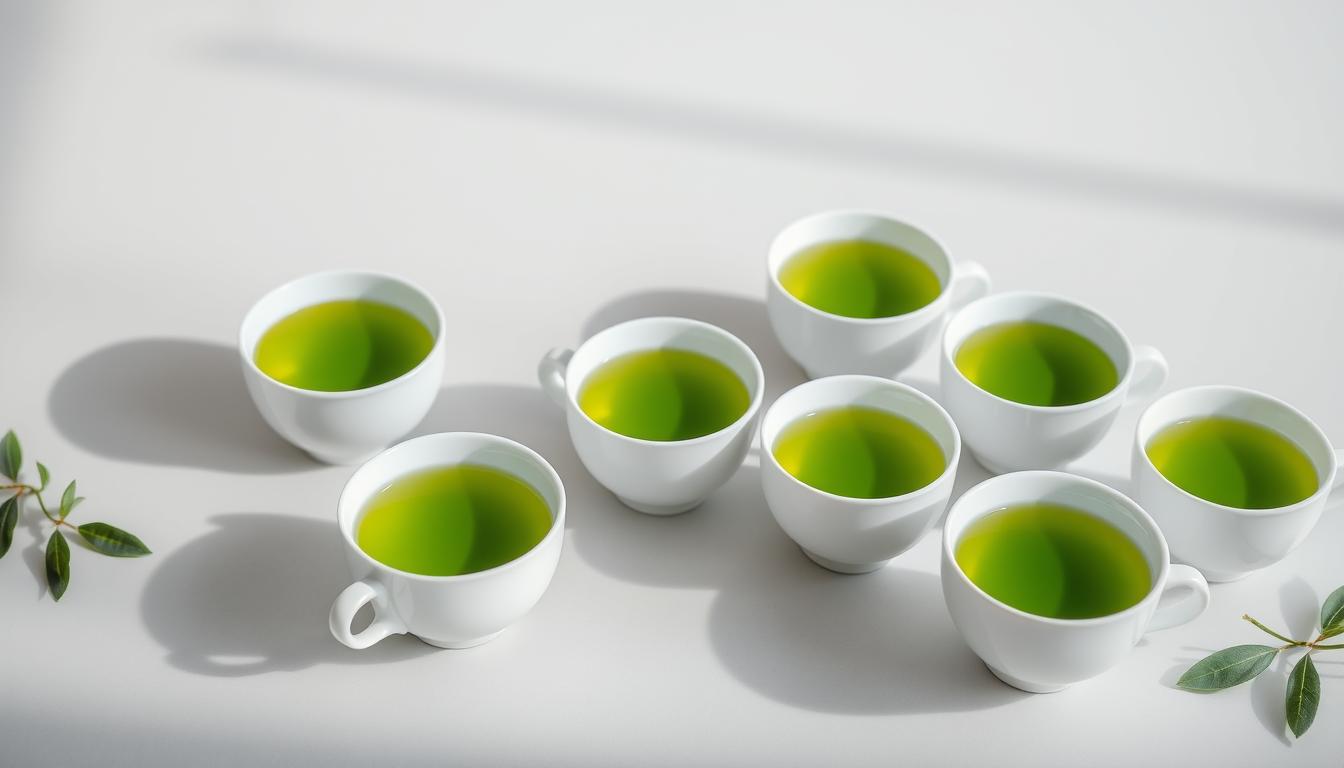
Surprising fact: studies link drinking two to four daily to lower stroke risk and better cognitive markers in many people.
We invite you to explore a simple ritual that can nourish your body and calm your mind. Our guide shows how brewing choices preserve key antioxidants from Camellia sinensis and how steeping at 160–180°F for 1–3 minutes keeps flavor bright without bitterness.
We’ll explain how is cups of green tea shapes searches and how we turn that into usable, science-aware tips. Expect clear advice on caffeine, flavor, and sustainable gear that cuts waste and supports ethical growers.
Why this matters: small daily pauses build calm, boost focus, and nudge lifestyle choices toward long-term wellness. We blend history, research, and easy recipes so the practice fits busy routines and real bodies.
Science now shines light on how one humble brew supports heart, brain, and soil alike.
From Camellia sinensis to cup: leaves are kept unoxidized and heated quickly after harvest. That gentle handling preserves polyphenols and delicate flavor. The result: a fresh cup with active compounds that may help wellness without heavy processing.
Catechins, especially EGCG, are the standout antioxidants here. They may help counter oxidative stress and soothe inflammation in the body.
Trials and reviews link regular intake to lower LDL, better endothelial function, and a reduced stroke risk in some studies. L-theanine also supports calm focus in many people.
Evidence shows promising heart and cognitive signals, plus photoprotective and bone-support benefits. Yet results for weight loss, diabetes, and cancer prevention remain inconsistent across large reviews.
Practical note: small habits matter. Skipping milk keeps antioxidant activity higher. For a concise summary of the clinical findings, see this top benefits review.
A clear, steady routine beats extremes. We recommend a practical range that matches research yet fits daily life.
Recommended ranges: Most adults tolerate up to eight brewed servings per day, though sensitivity varies. An 8‑ounce mug gives roughly 29–30 mg caffeine. Spacing drinks through the day helps steady energy and lowers jittery effects.

Pregnant and breastfeeding people should keep total caffeine at or below 200 mg per day — often two to three brewed mugs. Those on medications, especially atorvastatin, should consult a clinician about interactions.
Matcha concentrates catechins and caffeine. Aim for 2–4 teaspoons daily as a reasonable upper range. Rare liver injury reports mainly involve concentrated extracts; brewed forms carry far lower risk.
Want detail on excessive intake and risks? Read our in‑depth guide on effects of excessive green tea consumption.
Let’s clear up what a “cup” really means so your daily habit matches the research. We translate study servings into simple rules that fit real mugs and routines.
Research usually uses an 8-ounce cup. Home mugs often hold 10–14 ounces, so two large mugs may equal three research cups.
Tip: count ounces, not mugs, to track intake per day. Adjust leaf measures and steep time — 160–180°F for 1–3 minutes keeps flavor bright and limits bitterness.
Small, steady changes beat spikes. One to four steady servings spaced through the day support calm focus and steady energy. Re-steeping leaves gives lighter second pours and reduces waste. Cold brew extracts fewer bitter compounds and offers a gentler cup for sensitive people.
For a practical serving guide, see our note on green tea quantity daily.
How you heat water and time a steep shapes taste, caffeine, and antioxidant delivery.
We recommend heating filtered water to 160–180°F and steeping for 1–3 minutes. Cooler water and short time highlight sweetness and umami while keeping bitterness low.
Hot brew: one quick steep gives bright flavor and moderate caffeine. Shorten time if you feel jittery.
Cold brew: use about 15 g leaves per liter and refrigerate overnight. The result is smoother taste and often gentler caffeine effects.
Re-steep: quality leaves can be brewed two to three times. This saves money, cuts waste, and extracts varied catechins across pours.
Milk proteins may lower antioxidant activity, so we enjoy plain brews for maximum catechins. If you want creaminess, try a light oat or almond foam and taste before sweetening.
| Method | Temp / Ratio | Steep Time | Effects |
|---|---|---|---|
| Hot brew | 160–180°F | 1–3 minutes | Bright flavor, balanced caffeine |
| Cold brew | 15 g per 1 L water | Overnight (refrigerator) | Smoother taste, milder caffeine |
| Re-steep | Same leaves | Second & third pours | Economical, varied catechin profile |
Want help choosing leaves? See our guide on selecting the best green tea for for tips on grade, shape, and brewing tweaks.
Plan your sipping so each drink supports focus, circulation, and steady energy through the day.
Each 8‑ounce serving contains about 29–30 mg caffeine. Many people handle this dose better than coffee. L‑theanine in the brew can smooth jittery effects and support calm attention.
Keep drinks unsweetened to avoid quick blood glucose spikes. Some research suggests brewed blends may help cholesterol and vascular function and lower stroke risk in moderate routines, though results vary by study.
Space servings through the day. A morning pour offers a gentle lift. Sipping 30–60 minutes around meals helps digestion and limits iron interference. Late afternoon pours should be lighter to protect sleep.
| Time | Typical caffeine | Primary effects | Best for |
|---|---|---|---|
| Morning | ~30 mg | Alertness, mood support | Focus before work |
| Around meals | ~30 mg | Digestion, steady energy | Blood sugar balance |
| Late afternoon | Lower brew | Calm, gentle lift | Avoid sleep disruption |
Bottom line: mindful timing can let this ritual complement movement, meals, and heart‑smart habits. It may help the body without replacing clinical care.
A few simple recipes and kinder gear make sipping a daily habit that feels joyful and useful.
Try a classic sencha: heat water to 175°F and steep for 1–2 minutes. Add a lemon twist and a pinch of ginger for a soothing boost.
Make a mindful latte: whisk matcha with warm water, top with light plant milk foam, and sweeten sparingly.
Cold-brew pitcher: use 15 g loose leaves in 1 L water and steep overnight in the fridge. The pitcher keeps for two to three days, ready for easy pours.
Choose loose-leaf and reusable infusers to cut packaging and let leaves unfurl. Support brands that commit to fair pay and low-impact farming.
Want a practical routine? Learn safe serving ranges and timing on our guide to green tea daily. We invite people to experiment, listen to their body, and let rituals evolve with the season.
At heart, small routines build lasting gains, and steady practice often outperforms extremes.
We see clear benefits for heart markers and a lower stroke risk in many studies. Evidence for cancer and diabetes stays mixed. Keep caffeine in mind and limit intake during pregnancy or when on certain drugs.
Simple choices matter: cooler water, short steeps, unsweetened mugs, and avoiding milk keep catechins active. Brewed leaves give modest caffeine and broad antioxidants from Camellia sinensis.
Join our community to share recipes, sustainable picks, and what helps your body. Drink mindfully, stay curious, and let small daily rituals support health and connection.


