
Discover How Green Tea Supports Cancer Risk Reduction
Discover the power of green tea for cancer risk reduction. Join our community for tips, recipes, and inspiration to nourish your body and the planet.

Discover the power of green tea for cancer risk reduction. Join our community for tips, recipes, and inspiration to nourish your body and the planet.

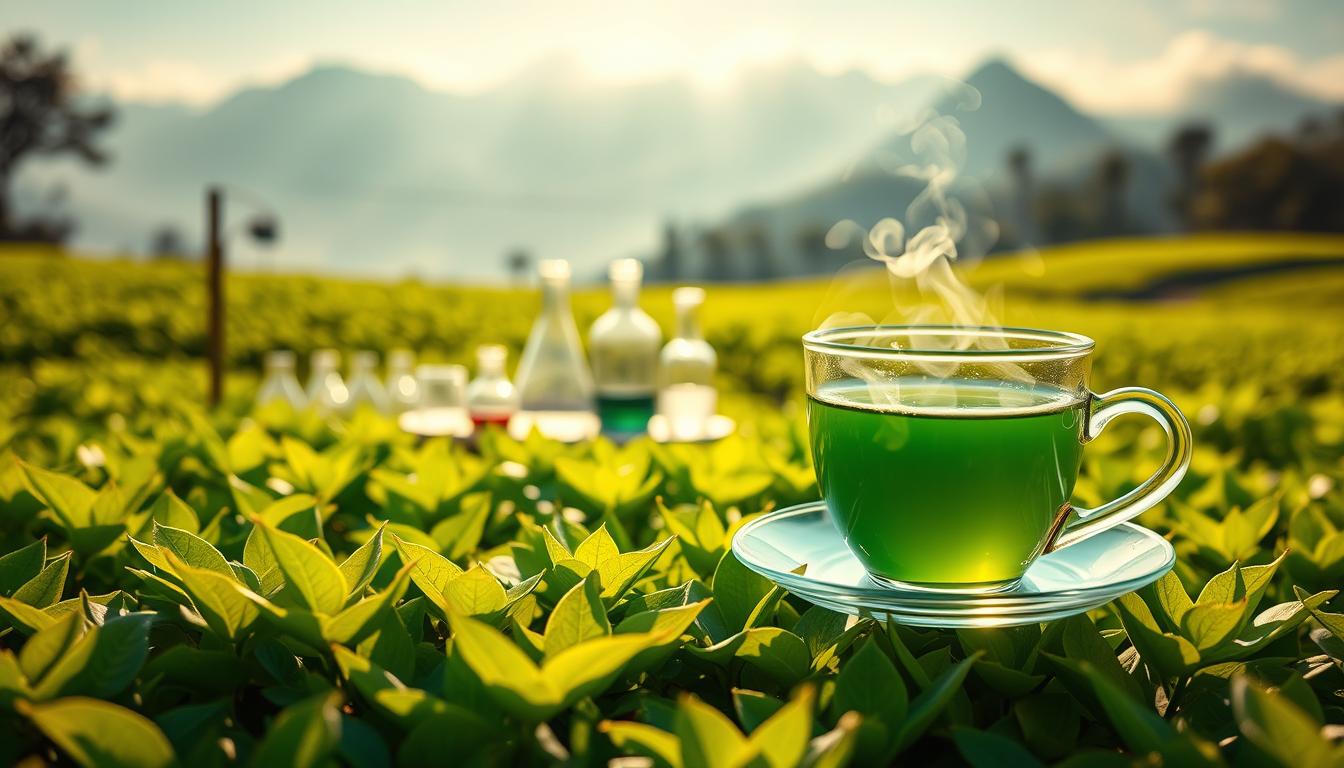
Surprising fact: up to 50% of all cancer cases are preventable with long‑term lifestyle and policy changes.
We believe simple daily rituals can add up. A mindful cup of green tea becomes a small, steady habit that fits busy city life. It won’t promise cures, but it can be part of a broader prevention plan that supports overall health.
Our approach blends science with warmth. We show practical steps, sustainable swaps, and gentle routines. Genetics, age, and environment shape a person’s cancer risk, so we focus on what people can change.
On this page you’ll find recipes, eco‑friendly tips, and clear guidance. We aim to inform and encourage a community of green enthusiasts. Join us to build healthier habits, one cup at a time.
Let’s ground this conversation in what the science actually shows. Between 30–50% of all cases are linked to modifiable factors, so everyday choices matter for cancer risk.
We lay out clear facts and simple guidance. Tobacco, alcohol, inactivity, poor diet, obesity, certain infections, pollution, workplace exposures, and UV are among key risk factors you can influence.
This means policies and personal habits work together. When cities make healthy food and safe movement accessible, prevention becomes easier for everyone.
We don’t promise outcomes. Genetics, age, and exposures beyond personal control shape results. That’s why we focus on doable recommendations you can sustain.
A simple cup at the right moment can shape a calm, health-forward day. We suggest making tea a brief, steady ritual that lifts your mood and nudges healthier choices across the day.
Start with balance: brew at about 160–180°F for 2–3 minutes to get bright flavor without bitterness. Keep it consistent—same time each day helps anchor habit stacking.
Replace one sugary drink or an extra alcoholic drink with iced sencha, jasmine, or a matcha‑lime spritzer. This simple swap can help reduce overall exposure linked to poor outcomes.
“Track consumption with curiosity, not judgment—small wins add up.”
Choose organic when possible, favor loose‑leaf to cut packaging, and compost spent leaves to nourish houseplants. Reusable tools make the ritual feel joyful and green.
| Tip | Why it helps | Quick action |
|---|---|---|
| Timed brew | Improves flavor and consistency | Use a 2–3 minute timer |
| Smart swap | Lowers sugary and alcohol consumption | Swap one drink per day |
| Eco choices | Reduces waste and supports sustainability | Choose loose-leaf and compost |
| Habit anchor | Builds long-term consistency | Link tea to an existing habit |
We invite you to explore more ways green tea can support a healthier life. For tips on overall benefits and practical guides, see our guide on good for overall health.
Good food can be a daily act of care for your body and the planet. We focus on a simple, plant-forward approach that supports long-term health and steady weight.
Half your plate should be vegetables and fruit. A quarter can be whole grains and a quarter beans, tofu, or fish. This healthy diet helps lower the chance of several cancers linked to excess body mass.
Use smaller plates and pause halfway through a meal. Serve sauces on the side and notice fullness. Loving your body means listening without judgment.
We celebrate tea‑infused broths, smoothies, and dressings. Try whisking matcha into tahini dressing or simmering green tea broth for soba and mushrooms.
“Cook once, eat twice: roast a sheet pan of veggies and grains, then repeat with fresh herbs and a warm cup of tea.”
Small shifts in diet and weight can reduce cancer and help reduce risk cancer while keeping meals joyful and sustainable.
Small bursts of movement scattered through the day add up to meaningful health gains.
We champion micro‑workouts, movement snacks, and joyful exercise that fit real life. Regular physical activity and a healthy body weight are clear ways to lower cancer risk while improving sleep, mood, and appetite control.
Think simple: aim for at least 150 minutes of moderate exercise per week. Break that into 10–20 minute bursts that fit your schedule.
Stack habits: while the kettle heats, do a 2‑minute mobility flow. After your first cup, take a brisk walk around the block. Tiny actions add up and help reduce risk over time.
Use quick bodyweight circuits—squats, counter push‑ups, and planks—for efficient training you can do anywhere. Add movement bookmarks: stairs instead of elevators, walking calls, or stretch breaks between meetings.
Track steps or active minutes and celebrate consistency, not intensity. Pair a walk with a thermos of green tea for a soothing, screen‑free reset that reinforces your routine.

“Small, steady movement is better than waiting for the perfect workout.”
| Habit | Why it helps | Quick action |
|---|---|---|
| 10–20 min walks | Boosts heart health and daily activity | Walk after meals or meetings |
| Micro bodyweight circuit | Builds strength without equipment | 3 rounds: 30s squats, 20s planks, 20s push‑ups |
| Movement bookmarks | Breaks sedentary time and lifts mood | Choose stairs, standing breaks, walking calls |
| 50/10 work timer | Improves focus and adds regular activity | 50 min focused, 10 min active break |
For small lifestyle swaps that pair movement with food and drink cues, explore our tips on green tea and heart‑friendly habits. We favor progress over perfection—every active minute counts.
An intentional evening routine can replace urges with calm. We know alcohol and smoking play large roles in long-term health patterns. Small swaps and concrete supports help people make steady change.
Alcohol is a Group 1 carcinogen linked to several cancers, including breast and colorectal. Globally, about 740,000 new cases each year are tied to alcohol use.
Even modest consumption raises exposure. Cutting back meaningfully lowers that exposure and supports liver and metabolic health.
Tobacco smoke contains thousands of chemicals, dozens that cause cancer. Smoking is the single greatest avoidable cause of cancer mortality and of lung cancer worldwide.
Combine tools for the best outcomes: nicotine replacement, counseling, prescription meds, and buddy systems. Remove cues and celebrate small wins.
Try brewing hojicha or jasmine after dinner to replace a second drink. Pair a cup with mindful breathing or a short walk.
“Your next cup can be a fresh start on the same day, not next Monday.”
Over time, these shifts help lungs and liver recover and make evenings more calm and sleep-friendly. We support practical steps and community care as you change habits.
Outdoor joy and sensible protection go hand in hand for healthy skin and cells. Ultraviolet radiation from the sun can damage DNA and lead to basal cell, squamous cell, and melanoma types.
Make sun safety stylish: choose UPF clothing, broad‑spectrum SPF 30+ sunscreen, sunglasses, and wide‑brim hats. Reapply every two hours and after swimming.
Seek shade between 10 a.m. and 4 p.m. and plan morning walks with a chilled bottle of green tea for a cooling ritual. Do a monthly skin check and book a dermatologist visit for new or changing moles.
UV‑emitting tanning devices are classified as carcinogenic to humans and increase melanoma and ocular melanoma risk. Skip tanning beds and embrace your natural tone or use mineral tints for a glow.
“Protecting your skin and cells isn’t about fear — it’s about simple, repeatable habits that let you love the sun safely.”
For practical tips and official guidance on sun care, see our sun safety guidance.
Early detection and local services make follow-through simpler and more reliable.
Vaccines and timely checks are practical tools we can use today. HPV and hepatitis B vaccines prevent infections that lead to certain cancers. We encourage HPV vaccination for children, teens, and young adults to lower future chances of cervical and other HPV-related cancers.
Protecting young people with the hpv vaccine is a community act. Hepatitis B vaccination also lowers liver cancer odds. Ask your clinician about schedules and local clinics that offer free or low-cost shots.
Stay on a screening schedule for breast, cervical, colorectal, and lung cancer based on age and exposure. Talk with your provider and ask for written recommendations.
Set reminders and pair appointments with a soothing cup of green tea to ease stress. For guidance on screening schedules and evidence, see recommended screening schedules.
Centers like Dana‑Farber offer genetics consults and integrative services such as therapeutic massage. These supports help people stay on course during treatment and after.
“Bring a thermos and a friend to appointments; community and comfort make follow‑through easier.”
| Action | Why it helps | Quick step |
|---|---|---|
| HPV vaccine | Prevents several HPV-related cancers | Schedule for children and teens |
| Regular screening | Improves early detection | Ask for written recommendations |
| Genetics consult | Tailors screening for family history | Request referral from clinician |
| Integrative therapy | Supports well-being during treatment | Explore massage, acupuncture, counseling |
One simple swap at a time can shape better days and better health.
Small, daily actions help reduce risk: brew green tea, move a little, and fill half your plate with plants. Limit alcohol and skip smoking — both increase cancer odds even at low consumption. Practice sun sense with shade, SPF, and hats to protect skin and cells.
Keep vaccines and screening up to date; they are pillars of cancer prevention and make early treatment more effective. For global prevention data, see this summary of evidence and modifiable factors, and learn more about green tea’s practical benefits at green tea benefits.
We invite you to join our community of green enthusiasts. Try one new action today—a tea swap, a 10‑minute walk, or a quick checkup—and save the pages you love. Stay curious, stay inspired, stay green.


